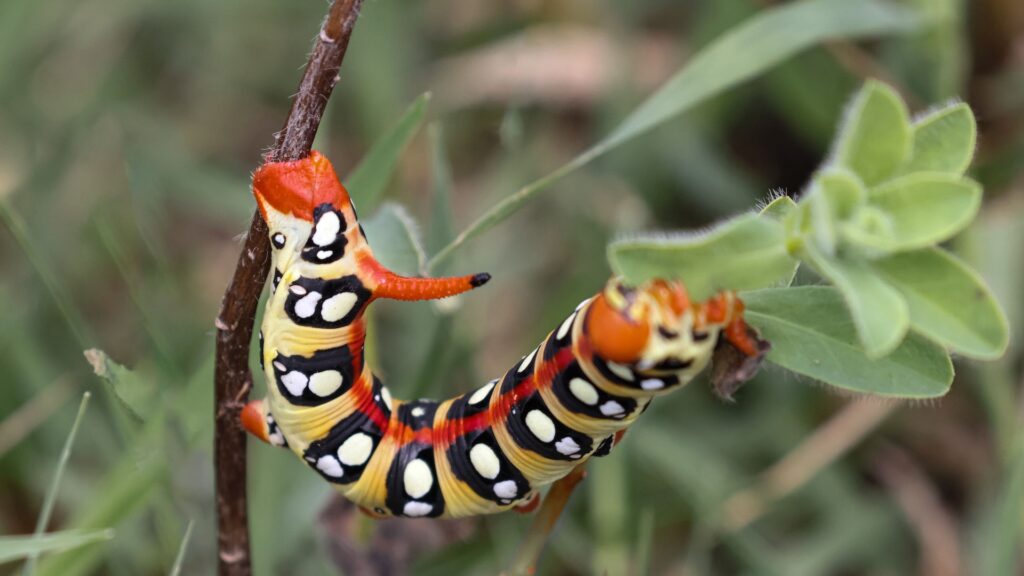
Wildlife photography is more than just pointing your lens at an animal and pressing the shutter button. It’s an art form that requires patience, skill, and a deep understanding of your subject. In this blog, we’ll explore the essentials to help you capture wildlife portraits that are not just visually stunning but also emotionally compelling.
Know Your Gear
Choose the Right Lens
A long telephoto lens is essential for wildlife photography. This enables you to photograph animals from a safe distance, minimizing disturbances to their natural behavior. Look for a lens with a focal length of at least 300mm.
Be Quick on the Draw
Your camera’s speed can make or break a shot. Ensure your camera has a fast autofocus and minimal shutter lag. Get to know the various settings and modes so you can adjust quickly as the situation changes.
Master the Art of Composition
Rule of Thirds
In the viewfinder, visualize a grid that divides the image into nine equal parts. Place your subject along the lines or at their intersections to create a balanced composition.
Framing the Subject
Use natural elements like trees, rocks, or even the sky to frame your subject. This directs the viewer’s attention and adds depth to your photograph.
Get the Perfect Exposure
Play with Aperture
A wide-open aperture (low f-number) allows more light to hit the sensor, creating a shallow depth of field. This blurs the background, making the animal stand out.
Adjust Shutter Speed
To freeze fast action, use a fast shutter speed of at least 1/1000th of a second. For static scenes, you can opt for slower speeds but be careful of camera shake.
Importance of Timing
Golden Hours
Early morning and late afternoon provide the soft, warm light that’s perfect for wildlife portraits. Plus, animals are generally more active during these times.
Seasonal Timing
Certain times of the year are better for specific types of wildlife. Research the best seasons to photograph your chosen animal in your location.
Understand Animal Behavior
Observe Before You Shoot
Watch your subject for a while before you start shooting. Understanding its behavior and movement patterns will help you anticipate the perfect moment to take your shot.
Maintain a Safe Distance
Never risk disturbing an animal for the sake of a photograph. A good rule is if the animal alters its behavior because of your presence, you are too close.
Post-Processing Techniques
Minimalism is Key
Resist the urge to over-edit. Keep adjustments minimal to preserve the natural beauty of the animal and its surroundings.
Crop Wisely
Sometimes, cropping can enhance a photograph’s composition or eliminate distracting elements. But remember, cropping reduces image quality, so use this tool sparingly.
Conclusion
Wildlife photography is an exciting yet challenging field that offers endless opportunities for creative expression. With the right techniques, a keen eye for composition, and respect for your animal subjects, you can capture extraordinary portraits that do justice to the beauty of the wild. So grab your camera, head out into nature, and let your creativity run wild!